Did the Old Testament Predict Jesus? The Prophecies That Point to Our Savior.
Before Jesus was born, the scriptures were already pointing to Him. Have you ever taken the time to look?
I’ve had conversations with people who tell me they believe in God, or at least believe there’s a higher power, but they aren’t convinced that Jesus is the Son of God or that He’s our Savior. And I’ve often wondered why.
If you believe there’s a God who created this world and everything in it, why is it so difficult to believe He could have sent His Son to save us? I’m not asking that to criticize anyone. I know people have questions, and I think they should. There’s a lot of information out there about religion, and not all of it is true. And just because someone grew up going to church doesn’t necessarily mean they understand who Jesus really is. But there’s something I wish more people would take the time to look into.
The Old Testament was written hundreds of years before Jesus was born, yet it contains prophecies that Christians believe point directly to His life, death, and resurrection.
We’re talking about scriptures that describe where the Messiah would be born, the family He would come from, how He would be treated, and the suffering He would endure. Some of these passages are incredibly specific.
Now, I realize not everyone agrees on how these prophecies should be interpreted. And I don’t expect someone who doesn’t believe in Jesus to suddenly change their mind because I wrote an article. But I do hope you’ll consider the evidence.
Don’t just take my word for it. Open your Bible. Look up these scriptures. Read what was written in the Old Testament and compare it with what happened in the New Testament. That’s really why I’m writing this.
If you’re willing to believe there’s a higher power, I hope you’re also willing to consider the possibility that Jesus really is who He said He is.
In This Article
Explore the Old Testament prophecies about Jesus and how they connect to the New Testament.
God’s Promise of a Savior
The Messiah’s Family Line
The Birth of Jesus
The Ministry of Jesus
The Suffering Servant
Psalm 22 and the Crucifixion
The Betrayal of Jesus
The Resurrection
The Everlasting Kingdom
Additional Prophecies
The Dead Sea Scrolls
Why Some Don’t Believe
Believing in a Higher Power
What Jesus Said
What Are the Old Testament Prophecies About Jesus?
Old Testament prophecies about Jesus are passages in the Hebrew Scriptures that Christians believe predict or point toward the coming Messiah. They describe His family line, birthplace, ministry, rejection, suffering, death, resurrection, and everlasting kingdom.
The Old Testament contains 39 books in the Protestant Bible. These writings were composed and compiled over many centuries before Jesus was born. Some passages speak directly about a coming ruler or deliverer. Others describe events or people that Christians believe foreshadow Jesus.
I think that distinction matters. We shouldn’t take a scripture out of context just to make it fit what we want to believe. But when you begin comparing the Old Testament with the New Testament, there are connections that deserve serious consideration. Jesus Himself spoke about these connections.
In Luke 24:44, Jesus explained to His disciples that everything written about Him in the Law of Moses, the Prophets, and the Psalms had to be fulfilled.
44 He said to them, “This is what I told you while I was still with you: Everything must be fulfilledthat is written about me in the Law of Moses, the Prophets and the Psalms.” – Luke 24:44
He wasn’t telling people to ignore the Old Testament. He was pointing them back to it.
1. God’s Promise of a Savior Began in Genesis
Genesis 3:15 — The First Promise of Victory Over Evil
One of the earliest scriptures Christians connect with Jesus appears in Genesis, shortly after Adam and Eve disobeyed God. In Genesis 3:15, God speaks to the serpent about a future conflict involving the woman’s offspring. Christians have traditionally understood this as the first indication that God would ultimately defeat Satan through Jesus Christ.
Old Testament: Genesis 3:15
And I will put enmity between you and the woman, and between your offspring and hers; he will crush your head, and you will strike his heel.” – Genesis 3:15
New Testament connections: Galatians 4:4; Hebrews 2:14; 1 John 3:8
4 But when the set time had fully come, God sent his Son, born of a woman, born under the law, – Galatians 4:4
14 Since the children have flesh and blood, he too shared in their humanity so that by his death he might break the power of him who holds the power of death—that is, the devil— – Hebrews 2:14
8 The one who does what is sinful is of the devil, because the devil has been sinning from the beginning. The reason the Son of God appeared was to destroy the devil’s work. – 1 John 3:8
Genesis doesn’t specifically identify Jesus in this passage. But when we read the New Testament, we see why Christians connect it with Christ’s victory over sin and death.
What stands out to me is that God’s plan for redemption wasn’t something He came up with at the last minute. From the beginning, scripture points toward God’s desire to rescue humanity from sin.
Genesis 12:3 and 22:18 — A Blessing for All Nations
God promised Abraham that all nations would be blessed through his descendants.
Old Testament: Genesis 12:3; Genesis 22:18
I will bless those who bless you, and whoever curses you I will curse; and all peoples on earth will be blessed through you.” – Genesis 12:3
18 and through your offspring all nations on earth will be blessed, because you have obeyed me.” – Genesis 22:18
New Testament: Matthew 1:1; Galatians 3:8, 16
This is the genealogy of Jesus the Messiah the son of David, the son of Abraham: – Matthew 1:1
8 Scripture foresaw that God would justify the Gentiles by faith, and announced the gospel in advance to Abraham: “All nations will be blessed through you.” – Galatians 3:8
16 The promises were spoken to Abraham and to his seed. Scripture does not say “and to seeds,” meaning many people, but “and to your seed,” meaning one person, who is Christ. – Galatians 3:16
Jesus came through Abraham’s family line. And through Jesus, the message of salvation would reach far beyond Israel. I think that’s something important to remember. God’s offer of salvation isn’t limited to one nationality, background, or group of people. It’s available to anyone who puts their faith in Jesus Christ.
2. The Messiah Would Come From a Specific Family Line
Something I find interesting about the Old Testament prophecies is that they don’t just describe a future Savior. They gradually identify the family through which the Messiah would come.
| Old Testament | What Was Promised | New Testament |
|---|---|---|
| Genesis 17:19; 21:12 | The promised family line would continue through Isaac | Luke 3:34 |
| Numbers 24:17 | A ruler would come from Jacob | Revelation 22:16 |
| Genesis 49:10 | The royal line would be associated with Judah | Hebrews 7:14 |
| 2 Samuel 7:12–16 | David’s royal dynasty would endure | Luke 1:32–33 |
| Isaiah 11:1–10 | A righteous ruler would come from Jesse’s family | Romans 15:12 |
| Jeremiah 23:5–6 | A righteous Branch would come from David | Romans 1:3; Luke 1:32 |
Matthew begins his Gospel with the genealogy of Jesus, tracing His family line through Abraham and David. Luke also provides a genealogy. There are differences between the two genealogies that biblical scholars have discussed for centuries, but both Gospel writers connect Jesus with David.
Why does that matter? Because the promised Messiah wasn’t supposed to be just anyone who showed up claiming to speak for God. The Old Testament had already established a royal family line.
Names of Jesus in the Old Testament vs. New Testament
It’s interesting how Jesus is described throughout the Bible, even before He was born.
In the Old Testament, we find names and titles such as Immanuel, Wonderful Counselor, Mighty God, Prince of Peace, the Righteous Branch, the Anointed One (Messiah), and the Suffering Servant. These names appear in scriptures such as Isaiah 7:14, Isaiah 9:6, Isaiah 52:13-53:12, Jeremiah 23:5–6, and Psalm 2:2.
Then we get to the New Testament, where Jesus is called the Son of God, Lamb of God, Savior, Good Shepherd, Light of the World, King of Kings, and Lord of Lords. We find these titles throughout the Gospels and Revelation.
What is meaningful to me is that the Old Testament describes both a coming King and a servant who would suffer for others. The New Testament presents Jesus as the fulfillment of both. Many of these weren’t just names other people gave Him. Jesus described Himself as the Bread of Life (John 6:35), the Good Shepherd (John 10:11), and the Way, the Truth, and the Life (John 14:6).
I think that’s worth paying attention to, especially for anyone who believes in God but isn’t sure about Jesus.
The Old Testament tells us about the promised Messiah. The New Testament reveals why Christians believe Jesus is that Messiah.
If you’d like to explore these names further, I’ve put together a separate guide, “The Names of Jesus in the Bible: Their Meanings and Scripture References,” comparing His Old Testament and New Testament names and what they tell us about Him.
3. The Messiah Would Be Born in Bethlehem
Micah 5:2 — A Prophecy About the Birthplace of Jesus
This is one of the Old Testament prophecies about Jesus that I think is especially interesting. Micah 5:2 identifies Bethlehem Ephrathah as the place from which a ruler over Israel would come.
Old Testament: Micah 5:2
“But you, Bethlehem Ephrathah, though you are small among the clans of Judah, out of you will come for me one who will be ruler over Israel, whose origins are from of old, from ancient times.” – Micah 5:2
New Testament: Matthew 2:1–6; Luke 2:4–7
After Jesus was born in Bethlehem in Judea, during the time of King Herod, Magi from the east came to Jerusalem 2 and asked, “Where is the one who has been born king of the Jews? We saw his star when it rose and have come to worship him.” 3 When King Herod heard this he was disturbed, and all Jerusalem with him. 4 When he had called together all the people’s chief priests and teachers of the law, he asked them where the Messiah was to be born. 5 “In Bethlehem in Judea,” they replied, “for this is what the prophet has written:
6 “‘But you, Bethlehem, in the land of Judah, are by no means least among the rulers of Judah; for out of you will come a ruler who will shepherd my people Israel.’]” – Matthew 2:1-6
4 So Joseph also went up from the town of Nazareth in Galilee to Judea, to Bethlehem the town of David, because he belonged to the house and line of David. 5 He went there to register with Mary, who was pledged to be married to him and was expecting a child. 6 While they were there, the time came for the baby to be born, 7 and she gave birth to her firstborn, a son. She wrapped him in cloths and placed him in a manger, because there was no guest room available for them. – Luke 2:4-7
Micah lived approximately 700 years before Jesus was born. Bethlehem was a small town, but it was also associated with King David. According to the Gospels, Mary and Joseph lived in Nazareth, yet Jesus was born in Bethlehem.
Now, someone who questions the Bible may also question the Gospel accounts of Jesus’ birth. That’s understandable. But I still think it’s worth reading Micah and then comparing it with Matthew and Luke. The New Testament writers clearly understood Bethlehem to be significant in identifying the promised Messiah.
4. The Birth of Jesus and the Promise of Immanuel
Isaiah 7:14 — God With Us
Isaiah 7:14 describes a child who would be called Immanuel, meaning “God with us.”
Old Testament: Isaiah 7:14
14 Therefore the Lord himself will give you a sign: The virgin will conceive and give birth to a son, and will call him Immanuel.- Isaiah 7:14
New Testament: Matthew 1:18–23; Luke 1:26–35
26 In the sixth month of Elizabeth’s pregnancy, God sent the angel Gabriel to Nazareth, a town in Galilee, 27 to a virgin pledged to be married to a man named Joseph, a descendant of David. The virgin’s name was Mary. 28 The angel went to her and said, “Greetings, you who are highly favored! The Lord is with you.”
29 Mary was greatly troubled at his words and wondered what kind of greeting this might be.30 But the angel said to her, “Do not be afraid, Mary; you have found favor with God. 31 You will conceive and give birth to a son, and you are to call him Jesus. 32 He will be great and will be called the Son of the Most High. The Lord God will give him the throne of his father David,33 and he will reign over Jacob’s descendants forever; his kingdom will never end.”
34 “How will this be,” Mary asked the angel, “since I am a virgin?”
35 The angel answered, “The Holy Spirit will come on you, and the power of the Most High will overshadow you. So the holy one to be born will be called[a] the Son of God. – Luke 1:26-35
18 This is how the birth of Jesus the Messiah came about[a]: His mother Mary was pledged to be married to Joseph, but before they came together, she was found to be pregnant through the Holy Spirit. 19 Because Joseph her husband was faithful to the law, and yet[b] did not want to expose her to public disgrace, he had in mind to divorce her quietly.
20 But after he had considered this, an angel of the Lord appeared to him in a dream and said, “Joseph son of David, do not be afraid to take Mary home as your wife, because what is conceived in her is from the Holy Spirit. 21 She will give birth to a son, and you are to give him the name Jesus,[c] because he will save his people from their sins.”
22 All this took place to fulfill what the Lord had said through the prophet: 23 “The virgin will conceive and give birth to a son, and they will call him Immanuel”[d] (which means “God with us”). – Matthew 1:18-23
Matthew connects this scripture with the virgin birth of Jesus. There’s something important to understand about this passage. Isaiah originally spoke these words during a crisis involving King Ahaz. Scholars and Jewish interpreters often understand the prophecy within that historical setting.
Christians believe Matthew reveals a greater fulfillment through the birth of Jesus. I don’t think we need to ignore those differences in interpretation. If we’re going to study biblical evidence for Jesus, we should be willing to look at the entire scripture and understand its context.
For Christians, the name Immanuel carries an extraordinary message. God didn’t simply send another prophet to speak on His behalf. He came to dwell among us through Jesus Christ.
5. Someone Would Prepare the Way for Jesus
Isaiah 40:3 and Malachi 3:1
The Old Testament describes a messenger who would prepare the way for the Lord.
Old Testament: Isaiah 40:3; Malachi 3:1; Malachi 4:5–6
A voice of one calling: “In the wilderness prepare the way for the Lord[a]; make straight in the desert a highway for our God. – Isaiah 40:3
“I will send my messenger, who will prepare the way before me. Then suddenly the Lord you are seeking will come to his temple; the messenger of the covenant, whom you desire, will come,” says the Lord Almighty. – Malachi 3:1
5 “See, I will send the prophet Elijah to you before that great and dreadful day of the Lord comes. 6 He will turn the hearts of the parents to their children, and the hearts of the children to their parents; or else I will come and strike the land with total destruction.” – Malachi 4:5-6
New Testament: Matthew 3:1–3; Mark 1:2–4; Luke 1:16–17; John 1:19–23
The Gospels identify John the Baptist as the messenger who prepared people for Jesus. John preached repentance, baptized people, and told them that someone greater was coming.
In those days John the Baptist came, preaching in the wilderness of Judea 2 and saying, “Repent, for the kingdom of heaven has come near.” 3 This is he who was spoken of through the prophet Isaiah: “A voice of one calling in the wilderness, ‘Prepare the way for the Lord, make straight paths for him.’” – Matthew 3:1-3
2 as it is written in Isaiah the prophet: “I will send my messenger ahead of you, who will prepare your way”[a]— 3 “a voice of one calling in the wilderness, ‘Prepare the way for the Lord, make straight paths for him.’”[b] 4 And so John the Baptist appeared in the wilderness, preaching a baptism of repentance for the forgiveness of sins. – Mark 1:2-4
16 He will bring back many of the people of Israel to the Lord their God. 17 And he will go on before the Lord, in the spirit and power of Elijah, to turn the hearts of the parents to their children and the disobedient to the wisdom of the righteous—to make ready a people prepared for the Lord.” Luke 1:16-17
19 Now this was John’s testimony when the Jewish leaders[a] in Jerusalem sent priests and Levites to ask him who he was. 20 He did not fail to confess, but confessed freely, “I am not the Messiah.” 21 They asked him, “Then who are you? Are you Elijah?” He said, “I am not.” “Are you the Prophet?” He answered, “No.” 22 Finally they said, “Who are you? Give us an answer to take back to those who sent us. What do you say about yourself?” 23 John replied in the words of Isaiah the prophet, “I am the voice of one calling in the wilderness, ‘Make straight the way for the Lord.’” – John 1:19-23
In John 1:29, John identified Jesus as the Lamb of God who takes away the sin of the world. Think about that. John wasn’t telling people to follow him as their Savior. He was pointing them toward Jesus. And that’s exactly what Christians should be doing today.
6. The Messiah Would Bring Hope, Healing, and Good News
The Old Testament also describes what the coming Messiah and God’s chosen servant would accomplish. These passages help us understand why Jesus did more than simply preach.
| Old Testament | What It Describes | New Testament |
|---|---|---|
| Isaiah 9:1–2 | Light coming to people living in darkness | Matthew 4:12–16 |
| Isaiah 35:5–6 | The blind seeing, deaf hearing, and lame walking | Matthew 11:4–5 |
| Isaiah 42:1–4 | God’s chosen servant bringing justice | Matthew 12:15–21 |
| Isaiah 42:6–7 | Light for the nations | Luke 2:32; Acts 13:47 |
| Isaiah 61:1–2 | Good news for the poor and freedom for the oppressed | Luke 4:16–21 |
| Deuteronomy 18:15–19 | A prophet like Moses | Acts 3:22–23 |
| Psalm 78:2 | Teaching through parables | Matthew 13:34–35 |
Jesus Said Isaiah’s Words Were Being Fulfilled!
One of the passages I particularly like is Luke 4:16–21. Jesus entered the synagogue in Nazareth and read from Isaiah 61. The passage speaks about bringing good news to the poor, proclaiming freedom, and giving sight to the blind. After reading, Jesus told the people that the scripture had been fulfilled in their hearing.
That’s an amazing statement! Jesus wasn’t simply saying He agreed with Isaiah’s message. He was identifying Himself with the fulfillment of that scripture. For someone who believes Jesus was only a good teacher, I think this is something worth considering.
Jesus made claims about Himself that went far beyond being a good person or religious leader.
7. The Messiah Would Be Rejected
Isaiah 53:1–3 and Psalm 118:22
Isaiah describes a suffering servant who would be despised and rejected. Psalm 118:22 speaks about a stone rejected by the builders that becomes the cornerstone.
Old Testament: Isaiah 53:1–3; Psalm 118:22
Who has believed our message and to whom has the arm of the Lord been revealed? 2 He grew up before him like a tender shoot, and like a root out of dry ground. He had no beauty or majesty to attract us to him, nothing in his appearance that we should desire him. 3 He was despised and rejected by mankind, a man of suffering, and familiar with pain. Like one from whom people hide their faces he was despised, and we held him in low esteem. – Isaiah 53:1-3
The stone the builders rejected has become the cornerstone; – Psalm 118:22
New Testament: John 1:11; John 12:37–38; Matthew 21:42; Acts 4:10–12; 1 Peter 2:7
He came to that which was his own, but his own did not receive him. – John 1:11
37 Even after Jesus had performed so many signs in their presence, they still would not believe in him. 38 This was to fulfill the word of Isaiah the prophet: “Lord, who has believed our message and to whom has the arm of the Lord been revealed?” – John 12:37-38
42 Jesus said to them, “Have you never read in the Scriptures: “‘The stone the builders rejected has become the cornerstone; the Lord has done this, and it is marvelous in our eyes’? – Matthew 21:42
10 then know this, you and all the people of Israel: It is by the name of Jesus Christ of Nazareth, whom you crucified but whom God raised from the dead, that this man stands before you healed. 11 Jesus is “‘the stone you builders rejected, which has become the cornerstone. 12 Salvation is found in no one else, for there is no other name under heaven given to mankind by which we must be saved.” – Acts 4:10-12
7 Now to you who believe, this stone is precious. But to those who do not believe, “The stone the builders rejected has become the cornerstone,” – 1 Peter 2:7
Jesus was not welcomed by everyone. Some people believed Him. Others challenged His authority, questioned His miracles, and accused Him of wrongdoing. Eventually, religious leaders sought His death. But something I think we should remember is that being rejected doesn’t automatically mean someone is wrong. And being popular doesn’t automatically mean someone is right.
Jesus didn’t change His message to make everyone happy. He continued teaching the truth, even when people didn’t want to hear it.
8. The Suffering Servant and Jesus Christ
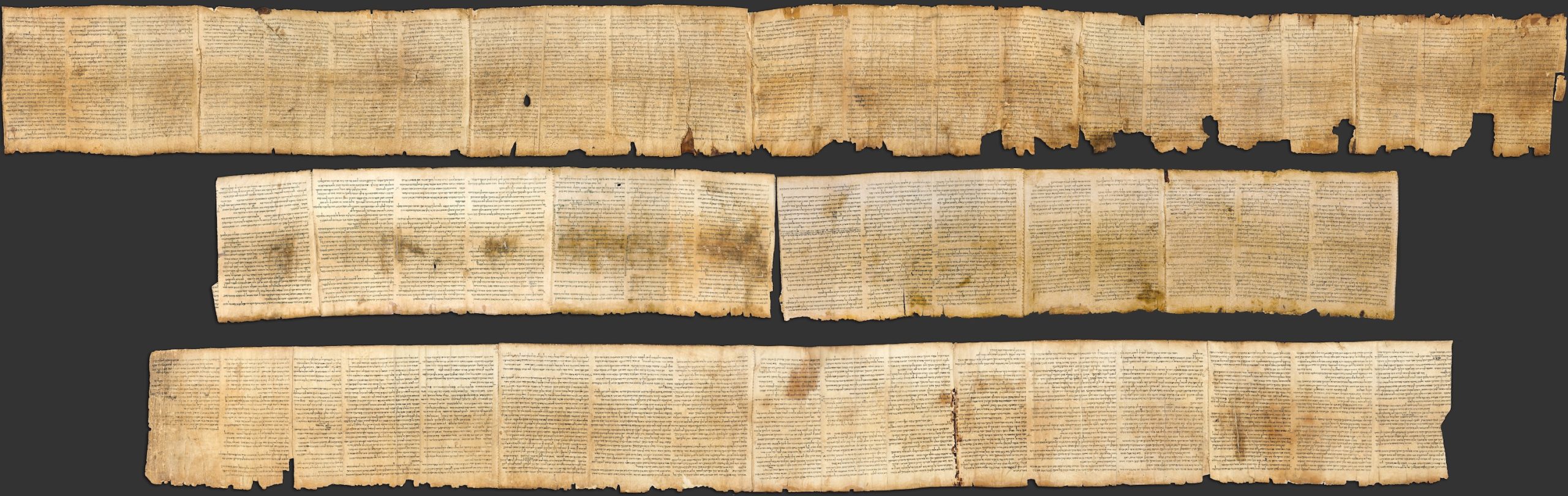
The Great Isaiah Scroll, discovered among the Dead Sea Scrolls, contains the Book of Isaiah and dates to approximately the second century BC. Image: Public domain, via Wikimedia Commons.
Isaiah 53
If you don’t read anything else in this article, I hope you’ll take a few minutes to read Isaiah 53. I’m not going to copy the entire chapter here because I really want you to open your Bible and read it for yourself.
Isaiah describes a servant who is rejected, suffers, bears the wrongdoing of others, and is compared to a lamb being led to slaughter. Now think about what happened to Jesus. He was rejected. He was beaten. He was mocked. He was crucified. And according to the New Testament, He willingly gave His life for our sins.
Isaiah was written centuries before the crucifixion.
I realize Jewish and Christian interpretations of this chapter differ. Jewish interpretations often understand the servant as Israel or another figure within Isaiah’s historical setting. But when I read Isaiah 53 alongside the Gospel accounts, I understand why Christians consider it such an important passage about Jesus.
Isaiah 53:4–6 — He Suffered for Our Sins
Old Testament: Isaiah 53:4–6
4 Surely he took up our pain and bore our suffering, yet we considered him punished by God, stricken by him, and afflicted. 5 But he was pierced for our transgressions, he was crushed for our iniquities; the punishment that brought us peace was on him, and by his wounds we are healed. 6 We all, like sheep, have gone astray, each of us has turned to our own way; and the Lord has laid on him the iniquity of us all. – Isaiah 53:4-6
New Testament: Matthew 8:16–17; 1 Peter 2:24–25
16 When evening came, many who were demon-possessed were brought to him, and he drove out the spirits with a word and healed all the sick. 17 This was to fulfill what was spoken through the prophet Isaiah: “He took up our infirmities and bore our diseases.” – Matthew 8:16-17
24 “He himself bore our sins” in his body on the cross, so that we might die to sins and live for righteousness; “by his wounds you have been healed.” 25 For “you were like sheep going astray,” but now you have returned to the Shepherd and Overseer of your souls. – 1 Peter 2:24-25
The servant bears suffering and is wounded because of wrongdoing. Christians believe Jesus fulfilled this through His sacrifice on the cross.
Isaiah 53:7 — He Remained Silent Before His Accusers
Old Testament: Isaiah 53:7
He was oppressed and afflicted, yet he did not open his mouth; he was led like a lamb to the slaughter, and as a sheep before its shearers is silent, so he did not open his mouth. – Isaiah 53:7
New Testament: Matthew 27:12–14; Acts 8:32–35
12 When he was accused by the chief priests and the elders, he gave no answer. 13 Then Pilate asked him, “Don’t you hear the testimony they are bringing against you?” 14 But Jesus made no reply, not even to a single charge—to the great amazement of the governor. – Matthew 27:12-14
32 This is the passage of Scripture the eunuch was reading: “He was led like a sheep to the slaughter, and as a lamb before its shearer is silent, so he did not open his mouth. 33 In his humiliation he was deprived of justice. Who can speak of his descendants? For his life was taken from the earth.” 34 The eunuch asked Philip, “Tell me, please, who is the prophet talking about, himself or someone else?” 35 Then Philip began with that very passage of Scripture and told him the good news about Jesus. – Acts 8:32-35
Isaiah compares the servant to a lamb led to slaughter. The Gospels describe Jesus remaining silent before many of the accusations made against Him.
Isaiah 53:9 — His Burial
Old Testament: Isaiah 53:9
He was assigned a grave with the wicked, and with the rich in his death, though he had done no violence, nor was any deceit in his mouth. – Isaiah 53:9
New Testament: Matthew 27:57–60; John 19:38–42
57 As evening approached, there came a rich man from Arimathea, named Joseph, who had himself become a disciple of Jesus. 58 Going to Pilate, he asked for Jesus’ body, and Pilate ordered that it be given to him. 59 Joseph took the body, wrapped it in a clean linen cloth, 60 and placed it in his own new tomb that he had cut out of the rock. He rolled a big stone in front of the entrance to the tomb and went away. – Matthew 27:57-60
38 Later, Joseph of Arimathea asked Pilate for the body of Jesus. Now Joseph was a disciple of Jesus, but secretly because he feared the Jewish leaders. With Pilate’s permission, he came and took the body away. 39 He was accompanied by Nicodemus, the man who earlier had visited Jesus at night. Nicodemus brought a mixture of myrrh and aloes, about seventy-five pounds.[a] 40 Taking Jesus’ body, the two of them wrapped it, with the spices, in strips of linen. This was in accordance with Jewish burial customs. 41 At the place where Jesus was crucified, there was a garden, and in the garden a new tomb, in which no one had ever been laid. 42 Because it was the Jewish day of Preparation and since the tomb was nearby, they laid Jesus there. – John 19:38-42
Jesus was executed alongside criminals, but His body was placed in the tomb of Joseph of Arimathea, a wealthy man.
Isaiah 53:12 — He Bore the Sins of Many
Old Testament: Isaiah 53:12
Therefore I will give him a portion among the great,[a] and he will divide the spoils with the strong,[b] because he poured out his life unto death, and was numbered with the transgressors. For he bore the sin of many, and made intercession for the transgressors. – Isaiah 53:12
New Testament: Luke 23:32–34; Hebrews 9:28; 1 Peter 2:24
32 Two other men, both criminals, were also led out with him to be executed. 33 When they came to the place called the Skull, they crucified him there, along with the criminals—one on his right, the other on his left. 34 Jesus said, “Father, forgive them, for they do not know what they are doing.” And they divided up his clothes by casting lots. – Luke 23:32-34
28 so Christ was sacrificed once to take away the sins of many; and he will appear a second time, not to bear sin, but to bring salvation to those who are waiting for him. – Hebrews 9:28
24 “He himself bore our sins” in his body on the cross, so that we might die to sins and live for righteousness; “by his wounds you have been healed.” – 1 Peter 2:24
This brings us to something I don’t want anyone to miss:
Jesus didn’t come just to be a good example of how we should live. He came because we needed a Savior.
We are all sinners. None of us can earn salvation by being good enough. That’s why the cross matters. Jesus willingly gave His life so that we could be forgiven and reconciled to God.
If you’d like to understand this more deeply, read my article, The Significance of the Cross: More Than a Symbol.
9. Psalm 22 — Written Long Before the Crucifixion
Psalm 22 is another chapter I encourage you to read in its entirety. Traditionally attributed to King David, it describes intense suffering, public mockery, and a desperate cry to God. Christians see several connections between this psalm and the crucifixion of Jesus.
| Psalm 22 | New Testament Connection |
|---|---|
| Verse 1 — A cry of abandonment | Matthew 27:46 |
| Verses 7–8 — People mocking the sufferer | Matthew 27:39–43 |
| Verses 14–15 — Physical suffering and thirst | John 19:28 |
| Verse 16 — A disputed phrase concerning hands and feet | John 20:25–27 |
| Verse 18 — Clothing divided and lots cast | John 19:23–24 |
| Verse 22 — God’s name proclaimed to others | Hebrews 2:11–12 |
There is a textual difference in Psalm 22:16 that I think should be acknowledged. Some ancient translations describe pierced hands and feet, while other readings differ. I don’t believe we should pretend every biblical passage is free from questions about translation or interpretation. But the similarities between Psalm 22 and the Gospel accounts are still worth studying.
Jesus Himself quoted the opening words of this psalm while on the cross. And when we read the entire psalm, we see that it moves from suffering and abandonment toward trust in God and His deliverance.
10. The Messiah Would Be Betrayed
Psalm 41:9 — Betrayed by Someone Close
Old Testament: Psalm 41:9
Even my close friend, someone I trusted, one who shared my bread, has turned against me. – Psalm 41:9
New Testament: John 13:18–30; Matthew 26:14–16
18 “I am not referring to all of you; I know those I have chosen. But this is to fulfill this passage of Scripture: ‘He who shared my bread has turned against me.’ – John 13:18
14 Then one of the Twelve—the one called Judas Iscariot—went to the chief priests 15 and asked, “What are you willing to give me if I deliver him over to you?” So they counted out for him thirty pieces of silver. 16 From then on Judas watched for an opportunity to hand him over. – Matthew 26:14-16
David describes being betrayed by someone close to him, someone with whom he shared bread. Jesus applied this scripture to His own betrayal. Judas Iscariot was one of the twelve disciples, yet he betrayed Jesus.
Zechariah 11:12–13 — Thirty Pieces of Silver
Old Testament: Zechariah 11:12–13
12 I told them, “If you think it best, give me my pay; but if not, keep it.” So they paid me thirty pieces of silver. 13 And the Lord said to me, “Throw it to the potter”—the handsome price at which they valued me! So I took the thirty pieces of silver and threw them to the potter at the house of the Lord. – Zechariah 11:12-13
New Testament: Matthew 26:14–15; Matthew 27:3–10
14 Then one of the Twelve—the one called Judas Iscariot—went to the chief priests 15 and asked, “What are you willing to give me if I deliver him over to you?” So they counted out for him thirty pieces of silver. – Matthew 26:14-15
3 When Judas, who had betrayed him, saw that Jesus was condemned, he was seized with remorse and returned the thirty pieces of silver to the chief priests and the elders. 4 “I have sinned,” he said, “for I have betrayed innocent blood.” “What is that to us?” they replied. “That’s your responsibility.” 5 So Judas threw the money into the temple and left. Then he went away and hanged himself. Matthew 27:3-5
Zechariah describes thirty pieces of silver and their being thrown into the house of the Lord. Matthew connects this passage with the money Judas received for betraying Jesus and the events that followed. Matthew attributes the fulfillment to Jeremiah, although the closest wording appears in Zechariah. Biblical scholars have offered different explanations for this.
I think it’s better to acknowledge these explanations than ignore them. If someone is sincerely searching for the truth, they deserve accurate information.
11. Jesus Would Enter Jerusalem as a Humble King
Zechariah 9:9
Old Testament: Zechariah 9:9
Rejoice greatly, Daughter Zion! Shout, Daughter Jerusalem! See, your king comes to you, righteous and victorious, lowly and riding on a donkey, on a colt, the foal of a donkey. – Zechariah 9:9
New Testament: Matthew 21:1–11; John 12:12–16
4 This took place to fulfill what was spoken through the prophet: 5 “Say to Daughter Zion, ‘See, your king comes to you, gentle and riding on a donkey, and on a colt, the foal of a donkey.’” – Matthew 21:4-5
14 Jesus found a young donkey and sat on it, as it is written: 15 “Do not be afraid, Daughter Zion; see, your king is coming, seated on a donkey’s colt.” – John 12:14-15
Zechariah describes a righteous king arriving humbly, riding on a donkey. The Gospels record Jesus entering Jerusalem on a donkey as crowds welcomed Him. I think this says something important about Jesus. When we think of kings, we often picture wealth, armies, and political power. But Jesus came differently.
He wasn’t trying to impress people with earthly riches or military strength. He came to establish a kingdom unlike anything this world had seen.
12. Other Old Testament Scriptures Connected to Jesus’ Death
Several other passages are connected to the suffering and crucifixion of Jesus.
| Old Testament | What Christians See | New Testament |
|---|---|---|
| Isaiah 50:6 | Beating and humiliation | Matthew 26:67; 27:30 , Luke 22:63 |
| Psalm 69:21 | Sour wine offered to the sufferer | John 19:28–30 |
| Isaiah 53:12 | Numbered with transgressors | Luke 22:37; 23:32–33 |
| Psalm 34:20 | Bones preserved | John 19:33–36 |
| Exodus 12:46 | The Passover lamb’s bones not broken | John 19:36 |
| Zechariah 12:10 | Mourning over one who was pierced | John 19:34–37 |
| Psalm 31:5 | Entrusting one’s spirit to God | Luke 23:46 |
| Daniel 9:26 | An anointed figure cut off | A debated connection to Jesus’ death |
Not all these scriptures were originally written as direct predictions about Jesus. Some were prayers, historical accounts, or laws. But the New Testament connects them with Jesus’ death and the meaning of His sacrifice.
13. Did the Old Testament Predict the Resurrection of Jesus?
Christianity doesn’t end with Jesus dying on the cross. If Jesus had remained dead, the Christian message would be very different. The resurrection is central to our faith.
Psalm 16:10 — God’s Holy One Would Not See Decay
Old Testament: Psalm 16:10
because you will not abandon me to the realm of the dead, nor will you let your faithful one see decay. – Psalm 16:10
New Testament: Acts 2:25–32; Acts 13:34–37
31 Seeing what was to come, he spoke of the resurrection of the Messiah, that he was not abandoned to the realm of the dead, nor did his body see decay. 32 God has raised this Jesus to life, and we are all witnesses of it. – Acts 2:31-32
34 God raised him from the dead so that he will never be subject to decay. As God has said, “‘I will give you the holy and sure blessings promised to David.’ 35 So it is also stated elsewhere: “‘You will not let your holy one see decay.’ 36 “Now when David had served God’s purpose in his own generation, he fell asleep; he was buried with his ancestors and his body decayed. 37 But the one whom God raised from the dead did not see decay. – Acts 13:34-37
Peter used Psalm 16 when speaking to the crowd at Pentecost. He explained that David had died and was buried, but Jesus had risen from the dead.
Isaiah 53:10–12 — Life Beyond Suffering
Isaiah describes the suffering servant giving his life, yet also speaks of his future vindication and the outcome of his suffering. Christians understand this as consistent with Jesus’ resurrection.
Old Testament: Isaiah 53:10-12
Yet it was the Lord’s will to crush him and cause him to suffer, and though the Lord makes his life an offering for sin, he will see his offspring and prolong his days, and the will of the Lord will prosper in his hand. 11 After he has suffered, he will see the light of life and be satisfied; by his knowledge my righteous servant will justify many, and he will bear their iniquities. 12 Therefore I will give him a portion among the great, and he will divide the spoils with the strong, because he poured out his life unto death, and was numbered with the transgressors. For he bore the sin of many, and made intercession for the transgressors. – Isaiah 53:10-12
New Testament: Luke 24:26; Hebrews 12:2
26 Did not the Messiah have to suffer these things and then enter his glory?” – Luke 24:26
2 fixing our eyes on Jesus, the pioneer and perfecter of faith. For the joy set before him he endured the cross, scorning its shame, and sat down at the right hand of the throne of God. – Hebrews 12:2
Jonah 1:17 — Three Days and Three Nights
Old Testament: Jonah 1:17
17 Now the Lord provided a huge fish to swallow Jonah, and Jonah was in the belly of the fish three days and three nights. – Jonah 1:17
New Testament: Matthew 12:39–40
39 He answered, “A wicked and adulterous generation asks for a sign! But none will be given it except the sign of the prophet Jonah. 40 For as Jonah was three days and three nights in the belly of a huge fish, so the Son of Man will be three days and three nights in the heart of the earth. – Matthew 12:39-40
Jesus Himself compared Jonah’s experience inside the fish with His coming death and resurrection. Jonah wasn’t originally written as a direct prediction of Jesus, but Jesus used it as a sign pointing toward what would happen to Him.
If you’re questioning whether Jesus really rose from the dead, I encourage you to read my article about the Eyewitnesses of Jesus and the Biblical Evidence for His Resurrection.
The resurrection isn’t a minor part of Christianity. It’s the foundation of our hope.
14. The Messiah Would Have an Everlasting Kingdom
The Old Testament also speaks of a future ruler whose kingdom would endure.
| Old Testament | What It Describes | New Testament |
|---|---|---|
| Psalm 2:7–12 | God’s anointed Son and King | Acts 13:32–33; Hebrews 1:5 |
| Psalm 45:6–7 | An everlasting royal throne | Hebrews 1:8–9 |
| Psalm 72:8–17 | A king bringing justice and blessing | Christian understanding of Christ’s reign |
| Psalm 110:1 | One seated at God’s right hand | Matthew 22:41–46; Acts 2:34–36 |
| Isaiah 9:6–7 | A child associated with an everlasting kingdom | Luke 1:32–33 |
| Daniel 7:13–14 | One like a son of man receiving eternal dominion | Mark 14:61–62 |
| Zechariah 14:9 | The Lord reigning over the earth | Revelation 11:15 |
Daniel 7:13–14 — The Son of Man
13 “In my vision at night I looked, and there before me was one like a son of man, coming with the clouds of heaven. He approached the Ancient of Days and was led into his presence. 14 He was given authority, glory and sovereign power; all nations and peoples of every language worshiped him. His dominion is an everlasting dominion that will not pass away, and his kingdom is one that will never be destroyed. – Daniel 7:13-14
Daniel describes someone like a son of man receiving authority, glory, and an everlasting kingdom. Jesus frequently called Himself the Son of Man. During His trial, He used language drawn from Daniel 7 and Psalm 110 when speaking about His authority.
I think this is another passage people should read when they say Jesus was simply a good teacher. Jesus made claims about His identity that went far beyond teaching people how to live.
15. Additional Old Testament Scriptures That Point to Jesus
There are many more Old Testament scriptures that Christians connect with Jesus. Some are direct messianic promises. Others are patterns or symbols that help explain who Jesus is and what He accomplished. I wanted to include these additional references for anyone who would like to study further.
| Old Testament | Connection to Jesus | New Testament |
|---|---|---|
| Genesis 14:18–20 | Melchizedek and Christ’s priesthood | Hebrews 7:1–17 |
| Genesis 28:12 | Jacob’s ladder and access to heaven | John 1:51 |
| Exodus 12:1–13 | The Passover lamb | 1 Corinthians 5:7 |
| Exodus 16:4–15 | Bread from heaven | John 6:32–35 |
| Exodus 17:6 | Water from the rock | 1 Corinthians 10:4 |
| Leviticus 16 | The Day of Atonement | Hebrews 9:11–14 |
| Numbers 21:8–9 | The bronze serpent lifted up | John 3:14–15 |
| Deuteronomy 21:22–23 | One hung on a tree | Galatians 3:13 |
| Ruth 4:1–10 | The kinsman-redeemer pattern | Titus 2:14, thematic connection |
| Psalm 8:4–6 | The son of man and dominion | Hebrews 2:6–9 |
| Psalm 40:6–8 | Obedience and sacrifice | Hebrews 10:5–10 |
| Psalm 68:18 | Ascending on high | Ephesians 4:8 |
| Psalm 69:9 | Zeal for God’s house | John 2:17 |
| Psalm 89:3–4 | God’s covenant with David | Luke 1:32–33 |
| Psalm 102:25–27 | The eternal Creator | Hebrews 1:10–12 |
| Psalm 118:26 | The one coming in the Lord’s name | Matthew 21:9 |
| Isaiah 6:9–10 | Rejection of God’s message | John 12:39–41 |
| Isaiah 8:14 | A stone of stumbling | 1 Peter 2:8 |
| Isaiah 25:8 | Death swallowed up | 1 Corinthians 15:54 |
| Isaiah 28:16 | The cornerstone in Zion | Romans 9:33 |
| Isaiah 49:6 | Salvation reaching the nations | Acts 13:47 |
| Isaiah 52:13–15 | The exalted, suffering servant | Romans 15:21 |
| Jeremiah 31:31–34 | The new covenant | Luke 22:20; Hebrews 8:8–12 |
| Ezekiel 34:23–24 | The promised shepherd | John 10:11 |
| Ezekiel 36:25–27 | Cleansing and a new heart | John 3:5; Titus 3:5 |
| Daniel 2:44 | An everlasting kingdom | Luke 1:33 |
| Hosea 11:1 | God’s son called out of Egypt | Matthew 2:15 |
| Amos 9:11–12 | Restoration of David’s fallen tent | Acts 15:15–18 |
| Haggai 2:6–9 | God’s promised glory and shaking of nations | Hebrews 12:26–27 |
| Zechariah 3:8 | God’s servant, the Branch | Traditional Christian messianic interpretation |
| Zechariah 6:12–13 | The Branch as ruler and priest | Hebrews 7–8, thematic connection |
| Zechariah 13:7 | The shepherd struck and sheep scattered | Matthew 26:31 |
| Malachi 4:2 | The sun of righteousness and healing | Luke 1:78,, Ephesians 5:14 |
I know that’s a lot of scripture. But I wanted to include these references because I think it’s important for people to be able to investigate the Bible for themselves. And I want to be clear about something: there isn’t one universally agreed number of Old Testament prophecies fulfilled by Jesus.
Some Christian lists include hundreds of references because they count direct predictions, symbolic connections, and patterns together. What matters more to me than the number is understanding what the scriptures actually say.
16. How Do We Know These Prophecies Were Written Before Jesus?
This is a question I think anyone who is skeptical should ask. How do we know the Old Testament wasn’t written or changed after Jesus lived? One important piece of historical evidence comes from the Dead Sea Scrolls.
The Dead Sea Scrolls include ancient manuscripts of Old Testament books, with some dating to centuries before Jesus. One of the most significant discoveries is the Great Isaiah Scroll, generally dated to the second century BC. That means the text of Isaiah, including the passages Christians connect with Jesus, existed before His lifetime.
Now, the Dead Sea Scrolls don’t automatically prove that Jesus fulfilled every prophecy. But they do provide important historical evidence that these scriptures were already being copied and preserved before Jesus was born and I think that’s worth knowing.
If you’re interested in seeing the manuscripts for yourself, visit the Leon Levy Dead Sea Scrolls Digital Library at deadseascrolls.org.il.
17. If Jesus Fulfilled These Prophecies, Why Doesn’t Everyone Believe?
That’s a fair question and not everyone interprets the Old Testament the same way.
Jewish people generally do not accept Jesus as the promised Messiah. Among the reasons are different understandings of the messianic prophecies and expectations about what the Messiah would accomplish.
Christians believe Jesus fulfilled the prophecies concerning His suffering, death, and salvation during His first coming, and that other promises will be fulfilled when He returns.
Other people question the historical reliability of the New Testament or whether the Gospel accounts accurately describe what happened.
I don’t think we should be afraid of those questions. If we believe Christianity is true, we should be willing to examine the evidence and understand why other people disagree. But I also don’t think we should dismiss Jesus simply because someone else doesn’t believe in Him.
Each of us is responsible for considering what we believe and why.
18. Believing in a Higher Power Isn’t the Same as Knowing Jesus
This is something I’ve really wanted to address. I hear people say they believe in a higher power, but they don’t necessarily believe in Jesus and I wonder what they mean by that.
Do they believe God created the world but doesn’t involve Himself in our lives? Do they believe there’s a heaven? Do they believe God hears their prayers? Those are sincere questions, because I think sometimes people believe in the idea of God without really knowing what the Bible says about Him.
Jesus made some very clear statements about who He is.
In John 14:6, Jesus tells us that He is the way, the truth, and the life, and that no one comes to the Father except through Him.
Jesus answered, “I am the way and the truth and the life. No one comes to the Father except through me. – John 14:6
That’s not something we can simply overlook. Jesus didn’t say He was one of many ways to God. He said He was the way. And if we believe the Bible is God’s Word, then we have to take what Jesus said seriously, even when it challenges what we’d prefer to believe.
I know that’s not always a popular message today, but I don’t believe we should change what Jesus said just to make Christianity more acceptable. At the same time, I don’t think we need to be unkind or argumentative with people who believe differently. We can share what scripture says and let people make the decision to investigate further.
If you’d like to read more about what Jesus Himself taught, see my article, Is Jesus the Only Way to Heaven? What Does the Bible Say?
19. Jesus Himself Pointed People Back to the Old Testament
One thing I think people sometimes overlook is that Jesus regularly referred to the Old Testament. He wasn’t introducing a completely unrelated belief system. He was explaining how God’s promises were being fulfilled.
In John 5:39–40, Jesus told people who studied the scriptures that those writings testified about Him, yet they refused to come to Him for life.
You study the Scriptures diligently because you think that in them you have eternal life. These are the very Scriptures that testify about me, 40 yet you refuse to come to me to have life. – John 5:39-40
In John 5:46, He said that if they believed Moses, they would believe Him because Moses wrote about Him.
If you believed Moses, you would believe me, for he wrote about me. – John 5:46
And in Luke 24:27, after His resurrection, Jesus explained to two disciples what the scriptures said concerning Him, beginning with Moses and the Prophets.
And beginning with Moses and all the Prophets, he explained to them what was said in all the Scriptures concerning himself. – Luke 24:27
Jesus was pointing people back to writings that had existed long before His birth. I believe that’s one of the reasons we should study both the Old Testament and the New Testament. They belong together.
20. What If You Still Aren’t Sure Jesus Is the Savior?
I don’t believe anyone should accept something simply because another person tells them to. Not even me. If you’re questioning whether Jesus is really the Son of God, I encourage you to look into it.
Start by reading Isaiah 53 and Psalm 22. Read Micah 5:2 about Bethlehem. Read Daniel 7 and what Jesus said about the Son of Man. Then read the Gospels, especially John.
Look at what Jesus taught, the miracles attributed to Him, the people who followed Him, and the eyewitness testimony concerning His resurrection. You may still have questions afterward and hat’s okay! Keep looking for answers. But please don’t dismiss Jesus without first taking the time to learn who He is.
I think too many people have formed an opinion about Christianity based on what they’ve seen other Christians do, what they’ve heard on social media, or what someone told them years ago. Christians are imperfect people. Jesus isn’t, and I think it’s important to make that distinction.
Frequently Asked Questions About Old Testament Prophecies of Jesus
Christians commonly refer to hundreds of Old Testament prophecies and scriptural connections fulfilled in Jesus. There isn’t one universally agreed number because some lists count only direct predictions while others include symbolic patterns and passages applied to Jesus in the New Testament.
Isaiah 53 is one of the most important passages for Christians because it describes a suffering servant who bears the sins of others. Psalm 22, Micah 5:2, Zechariah 9:9, and Jeremiah 23:5–6 are also significant passages worth studying.
No. The Old Testament does not identify Jesus of Nazareth by His New Testament name. Christians believe its promises concerning the Messiah find their fulfillment in Jesus Christ.
Yes. The Old Testament books existed before Jesus’ lifetime. Ancient manuscripts, including the Dead Sea Scrolls, provide historical evidence that these writings were already in circulation.
Some events, such as riding into Jerusalem on a donkey, could have been deliberately enacted. Christians also point to circumstances such as His family line, birthplace, betrayal, death, and resurrection. Whether the Gospel accounts establish fulfillment is part of the historical discussion.
Because Jesus Himself taught that salvation and reconciliation with God come through Him. John 14:6 and Acts 4:12 are two important passages explaining this Christian belief.
Yes. Many people believe in God without accepting Jesus as the Son of God. Christianity, however, teaches that Jesus is God’s Son and that salvation only comes through faith in Him.
I would encourage you to keep studying and asking questions. Read the Gospels and consider what Jesus said about Himself. In Mark 9:24, a man asks Jesus to help him overcome his unbelief. I think that’s a meaningful reminder that people can sincerely seek God while still struggling with questions.
My Final Thoughts: The Evidence Deserves Your Attention
I’m not writing this because I think I have all the answers. I certainly don’t. But I do believe Jesus Christ is the Son of God and our Savior. And the more I study the Bible, the more I appreciate how the Old Testament and New Testament connect.
I know there are people who believe in God but aren’t sure what to believe about Jesus. If that’s you, I hope this article has given you something to think about. You don’t have to agree with me. But I hope you’ll take the time to read these scriptures for yourself.
Don’t let someone else’s opinion, a bad experience with religion, or something you saw online be the only reason you dismiss Jesus. Find out what He actually said. Look at the prophecies. Read the eyewitness accounts. And consider this question:
If God really did promise a Savior centuries before Jesus was born, isn’t it worth finding out whether Jesus is the One He promised?